18-25%
Typical net margin range for efficient QSRs
10-18%
Typical net margin range for stable fine dine outlets
2-4x
Faster expansion pace possible in QSR-led models
Why This Comparison Matters in 2025
In 2025, choosing the right restaurant model is less about trend and more about business mechanics. QSR and Fine Dine can both be profitable, but they behave very differently in cash flow, team dependence, and growth speed.
If you pick the wrong model for your operating style, you may stay busy but not profitable. This guide breaks down the real trade-offs using practical numbers and day-to-day operational realities.
Key insight: Most operators overestimate brand value and underestimate operational complexity. The more complex the model, the more disciplined your systems need to be.
1. Profit Margins: Gross Looks Similar, Net Does Not
At first glance, both formats can report strong gross margins. But net profitability diverges once labor intensity, rental overhead, and service complexity are accounted for.
- QSR: Higher table turnover or delivery volume, lean staffing, tighter menu engineering
- Fine Dine: Better average order value, but higher staff-to-customer ratio and premium fitout cost
- Practical outcome: QSR usually has stronger margin consistency month to month
2. Initial Investment and Payback Period
Fine dine outlets generally demand larger upfront capital for interiors, cutlery, ambience, and front-of-house training. QSR setups are usually lighter and faster to launch.
- QSR capex is often lower due to simplified service model
- Fine dine capex is heavier and can delay break-even if occupancy is unstable
- Faster payback tends to favor QSR in high-footfall or delivery-first locations
Operator reality: A premium concept with slow payback can still succeed, but only if the location and repeat-customer strategy are exceptionally strong.
3. Staffing and Execution Risk
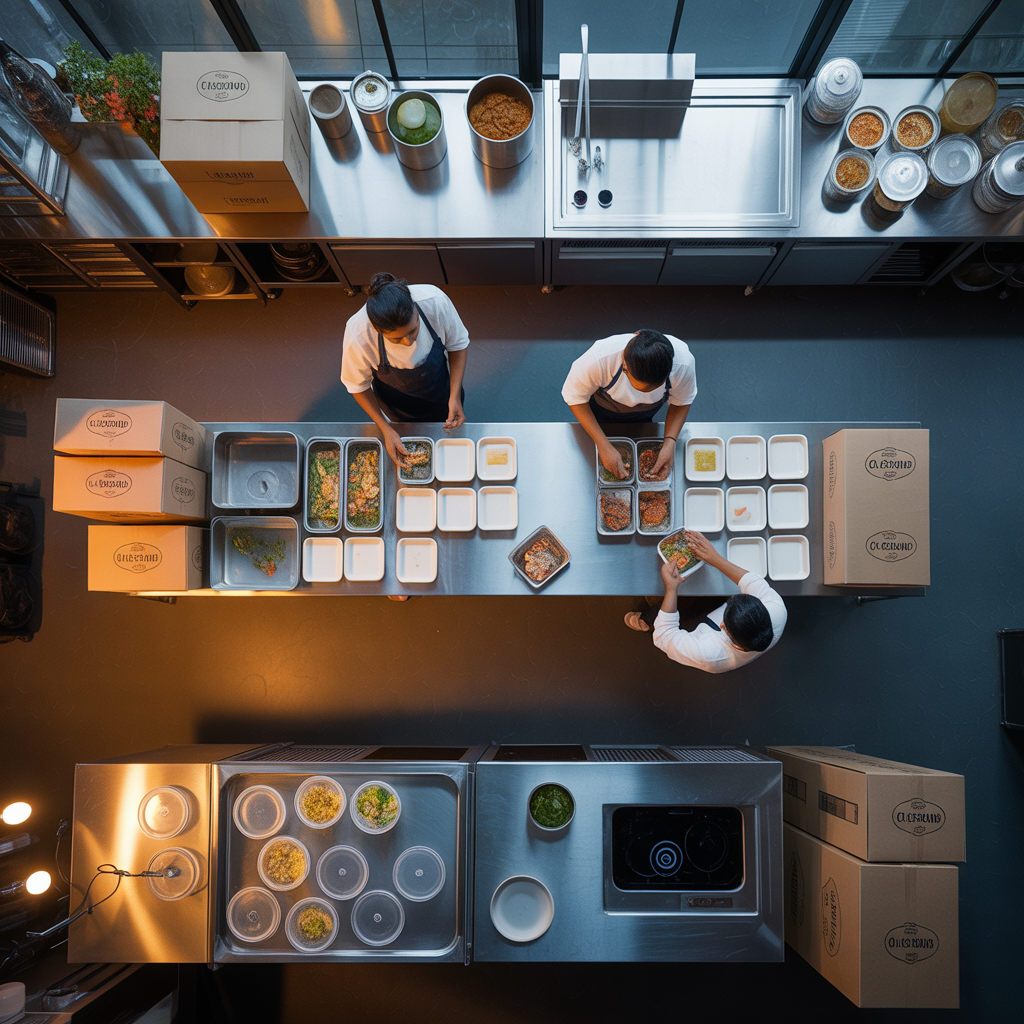
Staff dependence is one of the biggest hidden costs. Fine dine operations require tightly coordinated front-of-house, specialized chefs, and consistent guest experience delivery.
- QSR teams are easier to standardize through SOPs and checklists
- Fine dine performance depends more on individual skill and guest handling
- Attrition risk usually hurts fine dine harder than QSR
4. Scalability: Single-Unit Excellence vs Multi-Unit Growth
If your 3-year goal is a multi-outlet chain, QSR is usually more scalable due to standardization and repeatable unit economics. Fine dine can scale too, but replication quality is harder to maintain.
- QSR: Better for SOP-driven multi-city expansion
- Fine Dine: Better for brand-led flagship positioning
- Franchise readiness is often stronger in QSR models
5. Billing and Reporting as an Operational Foundation
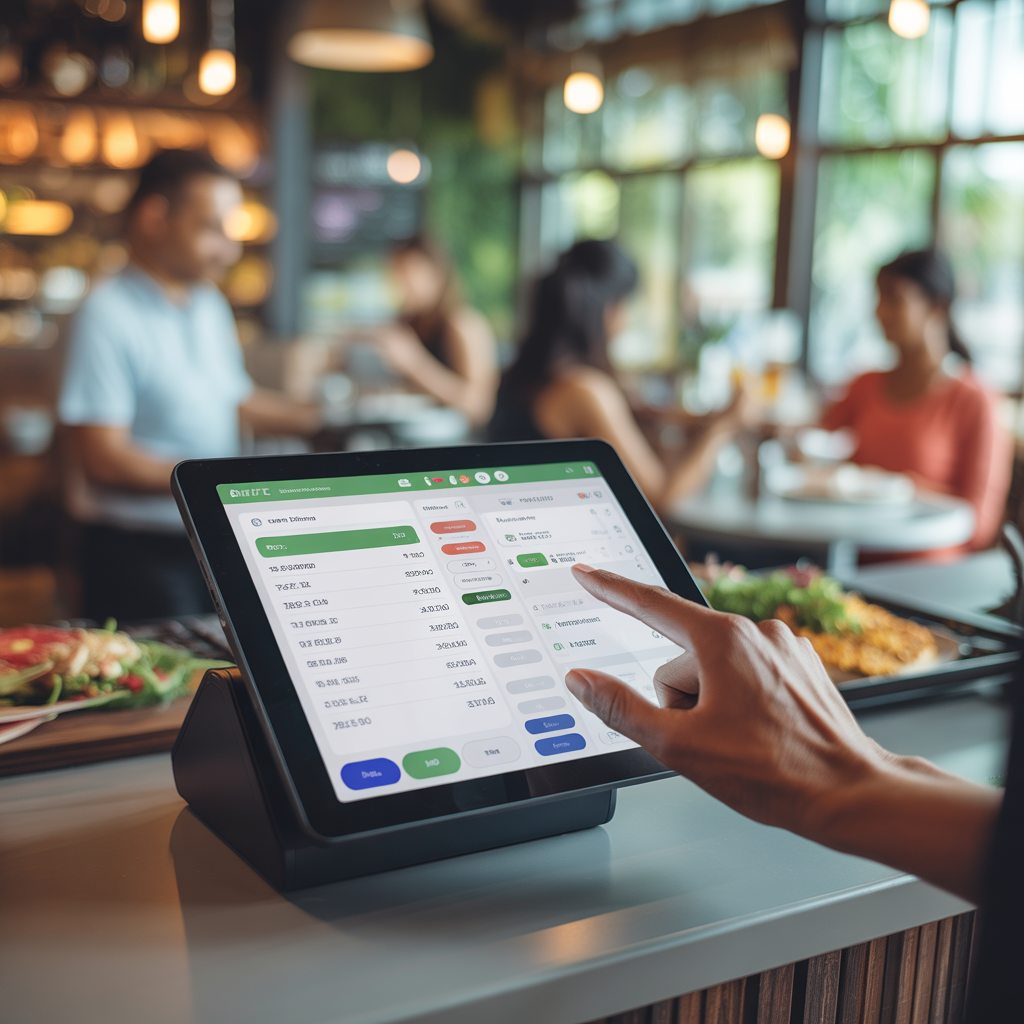
In both formats, having clear billing and basic sales visibility makes day-to-day operations easier to manage. The impact is particularly immediate in QSR, where speed of billing directly affects throughput.
- A simple, reliable billing system reduces errors at the counter and speeds up each transaction
- A daily sales overview helps owners see how each day performed without hunting through receipts
- Keeping the menu up to date — with correct items, categories, and prices — ensures billing stays accurate across service
6. Which Model Fits You Better?
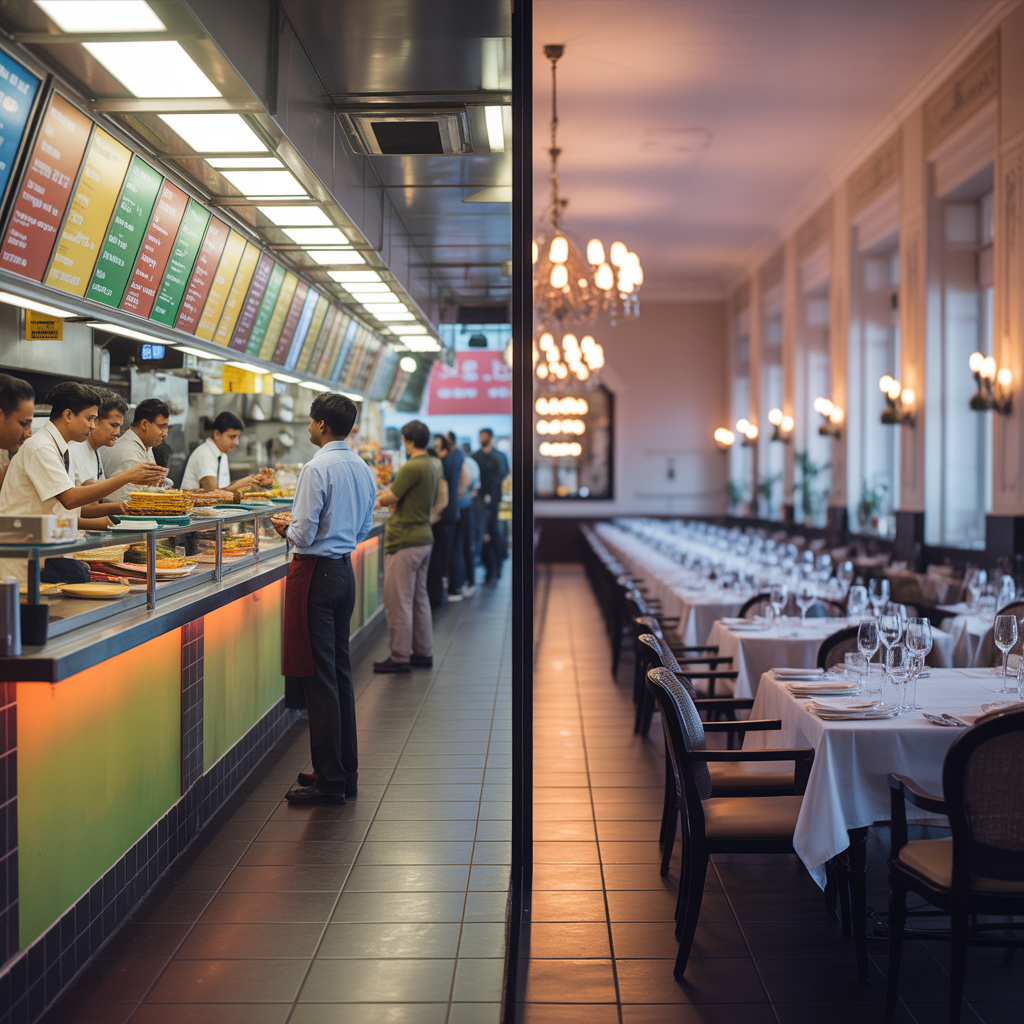
Choose QSR if you value repeatable operations, faster expansion, and tighter process control. Choose Fine Dine if your strength is premium guest experience, culinary differentiation, and high-touch branding.
The best model is not "more premium." It is the one whose operational demands match your execution strength and capital comfort.
Get Started Today
Run either model with clarity
GST-ready billing, basic order taking, and a daily sales overview — in one straightforward platform built for Indian restaurants.
Summary: QSR vs Fine Dine in One View
- Margins: QSR usually wins on consistency; fine dine can win on ticket size
- Capex: Fine dine typically needs more upfront investment
- Staffing: Fine dine has higher execution dependency on specialized teams
- Scalability: QSR is generally easier to replicate across locations
- Profit focus: Success depends more on operational discipline than concept type
DineMitra Team
We help restaurant owners make better operational and financial decisions with practical insights and technology built for Indian food businesses.