5–10%
Of restaurant revenue lost to avoidable waste every month
~30%
Of food purchased by restaurants never reaches a customer's plate
₹940 Cr+
Estimated food wasted annually by India's restaurant industry
The Real Cost of Food Waste — It's More Than You Think
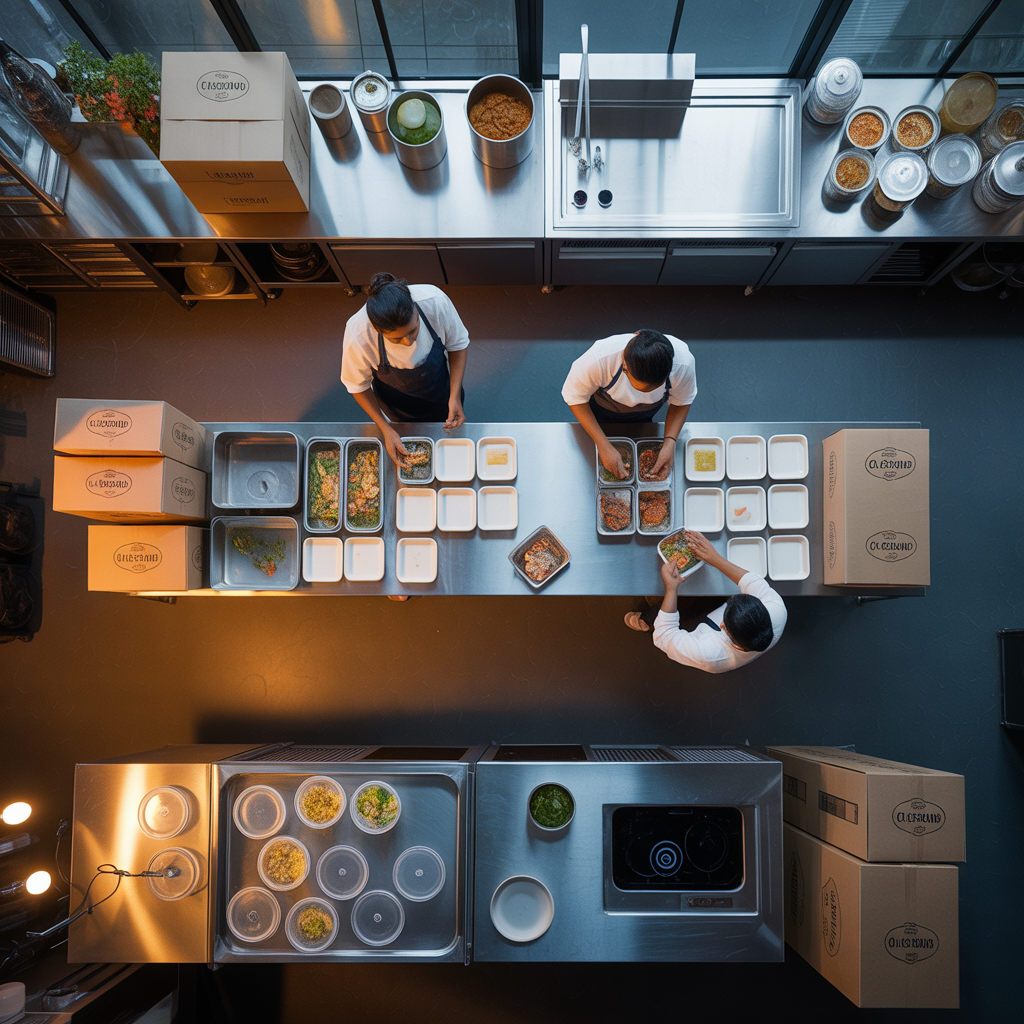
Most restaurant owners think about food waste in terms of what gets thrown away at the end of the day — leftover dal, unsold rotis, a tray of prepped vegetables that weren't used. That's visible waste. But the more damaging kind is invisible: over-purchasing, portion inconsistency, spoilage due to poor storage, and items quietly disappearing without anyone noticing.
When you add it all up, a mid-size restaurant doing ₹5 lakh in monthly revenue could be losing ₹25,000–₹50,000 every month to waste alone. That's money that could be profit — and for most restaurants, that gap is largely recoverable through better habits and decisions.
Key insight: The restaurants that control waste best aren't necessarily the ones with stricter chefs — they're the ones who pay closer attention to what's selling, what isn't, and what's being prepared unnecessarily. Visibility is where it starts.
1. Find Where Your Waste is Actually Coming From
Before you can fix waste, you need to know what you're dealing with. Most restaurants have three or four major waste sources, and they're different for every kitchen. Start by categorising your waste for one week:
- Spoilage waste — ingredients that expired before use, usually a purchasing or storage problem
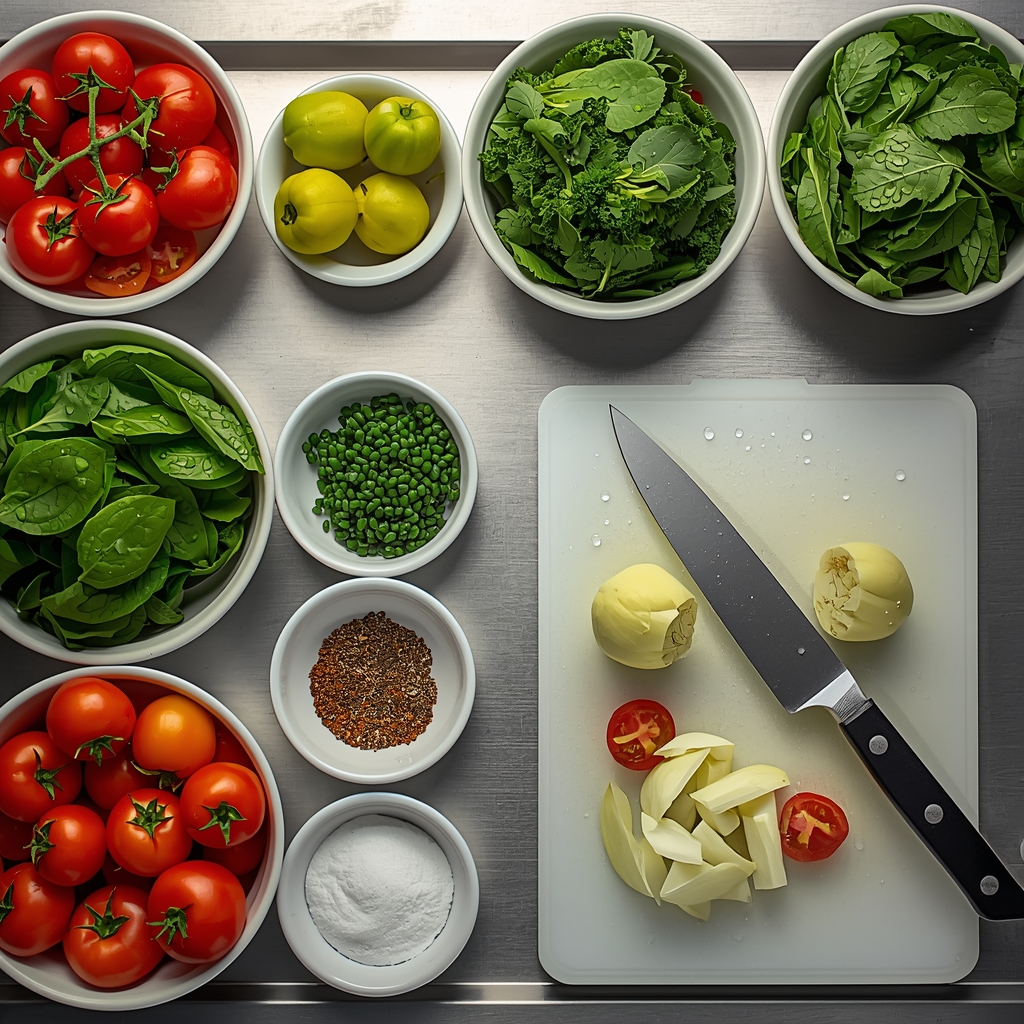
- Prep waste — excess trimming, over-prepping for expected demand that didn't materialise
- Plate waste — food returned uneaten by customers, which signals a portion size or quality issue
- Operational waste — mistakes, dropped items, incorrect orders that had to be remade
Even a rough written log for seven days will reveal patterns. Most restaurants discover that 60–70% of their waste comes from just one or two categories — which makes the solution much more targeted.
2. Use Your Sales Numbers to Make Better Menu Decisions
One of the most practical ways to reduce waste is to look at which items are actually selling and which aren't — and make menu decisions accordingly. A dish that sells only a handful of times a week still requires ingredients to be purchased and prepped. If those ingredients have limited shelf life and aren't shared across other dishes, they often end up wasted.
Checking your daily and monthly sales totals gives you a factual basis for these decisions. Over time, patterns emerge: certain items consistently underperform; others drive the bulk of your revenue.
- Identify which dishes are rarely ordered and consider removing them from your menu
- Simplify your menu around items that sell reliably — fewer low-traffic items means less speculative purchasing and prep
- When you remove an item from the menu, update it in your system promptly so nothing is being prepped for dishes that are no longer being served
Practical fix: A menu with 30 focused items almost always generates less waste than one with 60. The goal isn't to shrink for the sake of it — it's to carry only what you're confident you'll sell.
3. Standardise Portions — Without Compromising Quality
Inconsistent portions are one of the most overlooked sources of waste. When each cook plates a dish slightly differently, you get portion creep — a dish that's supposed to use 150g of protein slowly becoming a 180g dish. Multiplied across hundreds of orders a week, that's significant.
Portion standardisation doesn't mean making food feel stingy. It means being intentional about what goes into every dish so you can price it correctly, cost it accurately, and deliver a consistent experience.
- Create a written recipe card for every dish with exact weights and measures
- Use a portion scale for high-cost ingredients — especially proteins and imported items
- Review portion sizes periodically — creep happens gradually and is easy to miss without a regular check
- When you notice portions drifting, correct it at the source before it compounds
4. Accurate Billing Reduces Waste from Ordering Errors
Not all waste happens in the kitchen — some of it starts at the point of order. When an order is taken incorrectly and food is prepared that a customer didn't want, that's a direct waste of ingredients. The same happens when an order is billed wrong and needs to be resolved, causing delays and sometimes additional preparation.
Keeping the order-taking and billing process clean reduces these operational mistakes. When orders are recorded in a system and billed from what was recorded — rather than being relayed verbally or written on paper — there's less room for things to go wrong between the order and the plate.
- Record orders in the system as they're taken, so what's billed matches what was requested
- Review your daily order records to spot recurring patterns — certain orders that frequently need correction may indicate a process issue
- Fewer ordering mistakes means less food prepared unnecessarily and less wasted
5. Check Your Sales Every Day, Not Just When Something Goes Wrong
Waste tends to compound quietly. A slow week where purchasing wasn't adjusted, a dish that stopped selling but is still being prepped for — these don't announce themselves. They only become visible when you're looking at the numbers regularly.
Reviewing your daily and monthly sales totals is the simplest discipline that helps you stay ahead of waste. If Tuesday is consistently slower than Saturday, purchasing and prep quantities should reflect that — and that adjustment starts with knowing the numbers.
- Check your daily sales total at the end of each day — even a quick look tells you whether the day was above or below your usual
- If a week is significantly slower than average, purchasing quantities for the following week should be reduced accordingly
- Monthly sales comparisons help you spot seasonal patterns so you can plan purchasing rather than react to it
Start Reducing Waste Today
Better decisions start with better visibility.
DineMitra gives you a clear view of daily and monthly sales, makes it easy to keep your menu accurate, and keeps order taking and billing in one place.
Summary: Your Food Waste Reduction Checklist
- Log waste by category for one week to identify your biggest loss areas
- Review your sales numbers regularly and remove menu items that rarely sell
- Keep your menu up to date — remove items you've stopped serving so they're not being prepped unnecessarily
- Create written portion guides for every dish and check them periodically
- Use a billing system to record orders accurately and reduce errors from verbal or paper-based order taking
- Check your daily sales total every day — adjust purchasing based on what you're actually selling, not habit
Reducing food waste isn't about being restrictive — it's about being deliberate. Better menu decisions, consistent portions, accurate ordering, and a regular look at your sales numbers all contribute. None of these require complex systems; they require attention and consistency.
DineMitra Team
We're the team behind DineMitra — a restaurant POS and management platform built for Indian food businesses. We write about operations, technology, and growth strategies for restaurants of all types.